
How to prevent your hummingbird feeder from freezing
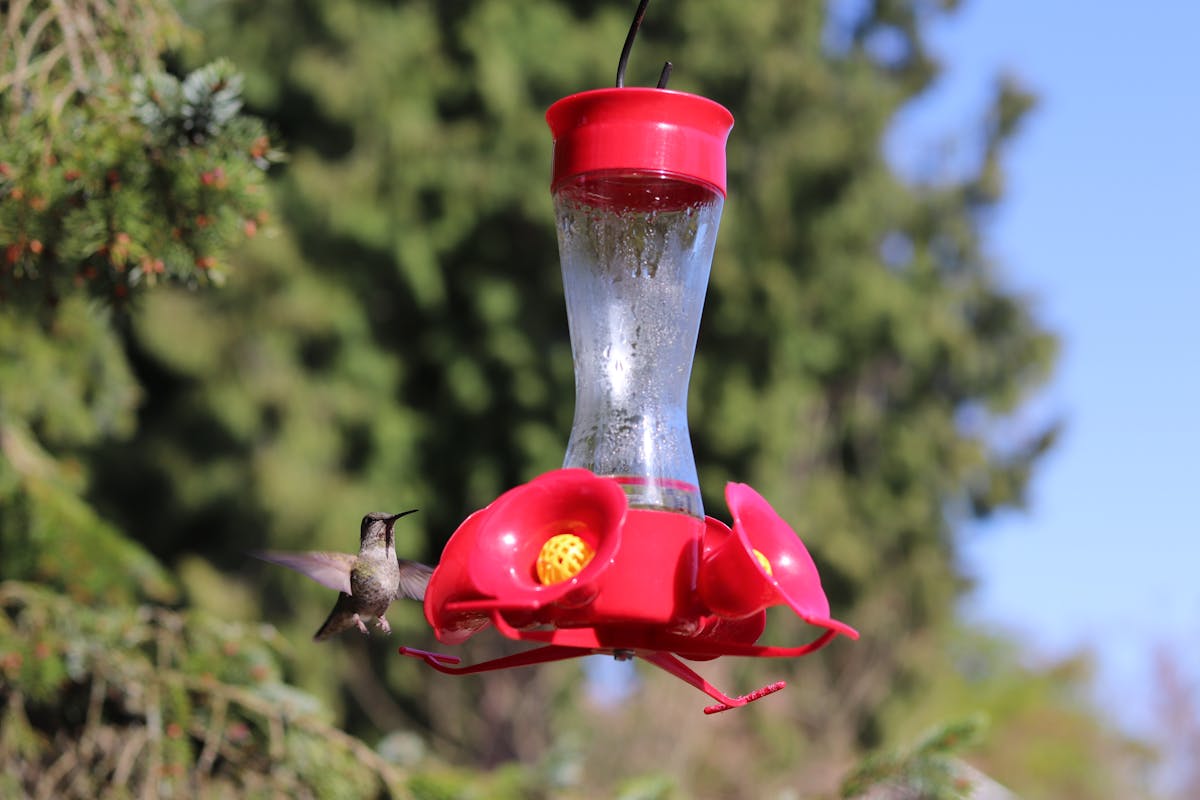
Prevent your hummingbird feeder
When temperatures drop on winter days, hummingbird feeders can easily freeze. This can make it difficult for hummingbirds to get the food they need. There are a few ways to prevent your hummingbird feeder from freezing that will ensure a steady food source for these beloved birds.
Light bulbs can be placed around the feeder to keep the feeder warm. It is especially good when using garden or outdoor lights. Keep it safe from the feeder so it stays warm but doesn’t melt.
Cover the feeder with a cloth or insulating material at night to protect it from the cold. Open it again in the morning when the sun shines.
Instead of filling the feeder, keep a small amount of nectar and refill it several times a day. This will keep the nectar from the feeder from congealing as quickly and the hummingbirds can eat it easily.
Bring the feeder inside at night or when the temperature drops too low and put it outside again in the morning. This will prevent the nectar from freezing.
Use feeders designed specifically for winter that prevent nectar from freezing even in cold temperatures. Such feeders have insulation systems that keep the nectar warm.
Some nectars can be mixed with a small amount of glycerin. Glycerin prevents the nectar from freezing. However, do not use too much glycerin as it can be harmful to hummingbirds.
Also, check the feeder regularly and change the nectar as soon as it freezes. By following these simple methods you can provide safe and secure food for hummingbirds.
Welfare of hummingbirds
Don’t overthink the welfare of hummingbirds
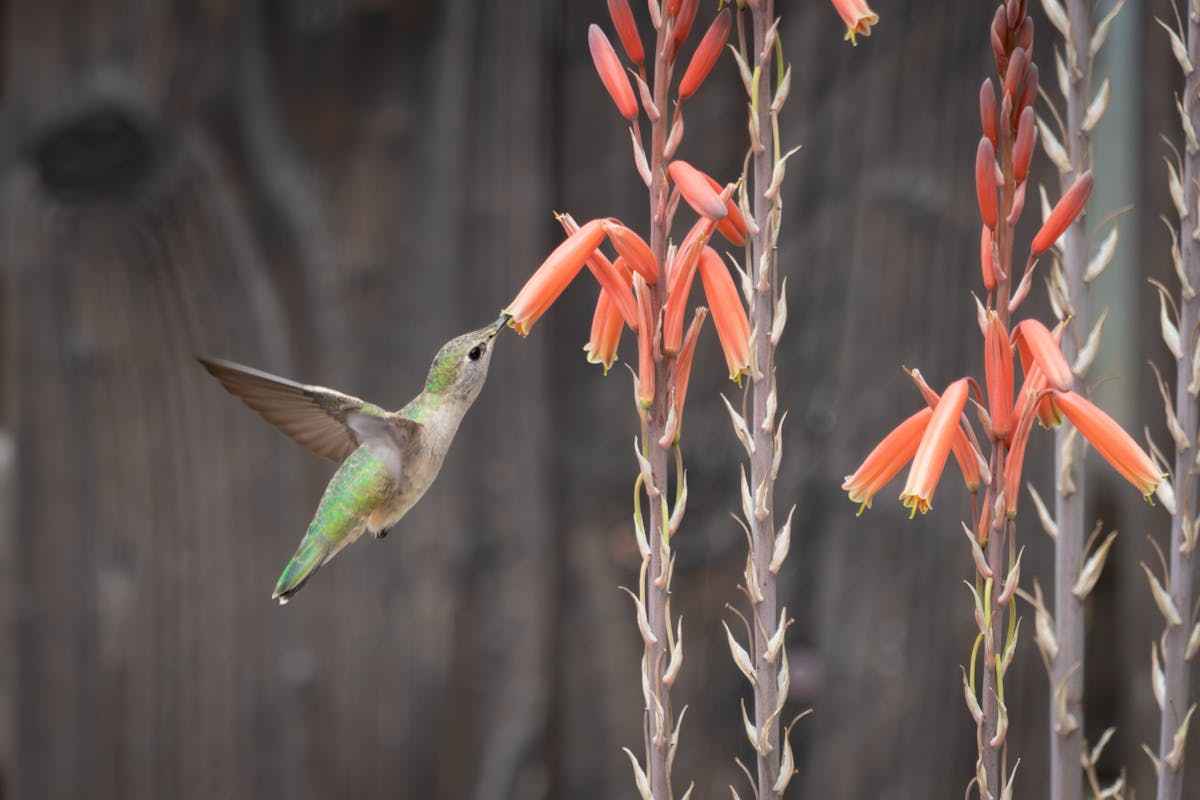
Our winters are generally mild and cold snaps don’t last long. Hummingbirds can lower their body temperature at night and conserve energy. They take shelter in trees and shrubs, and do not use nests or birdhouses. They need lots of sucrose (nectar) during the day, especially to survive in the cold. In addition to nectar for fuel, hummingbirds gather essential proteins, vitamins, and minerals by eating the insects they encounter.
Insects can be found on bark and under trees even in the cold of winter. Long periods of cold, especially in warm climates like ours, can be hard on these little birds. Some birds will not make it through this time, but the strong will find a way to survive. Continuing the nectar supply is one way we can help them.

MD Imdadul Haque is the founder of BirdzFly, a research-backed resource on North American backyard birds. Drawing on years of independent study into bird identification, behavior, and migration patterns, he writes in-depth guides designed to help US birders understand the species in their own backyards — from common feeder visitors to seasonal migrants passing through.