
Are blue jay bird endangered Explained
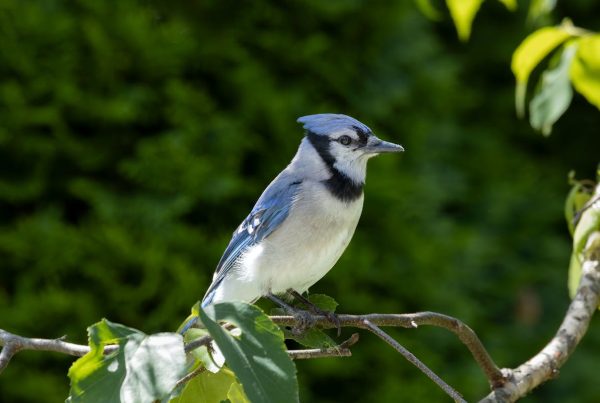
No, the Blue Jay (Cyanocitta cristata) is not a threatened species. The IUCN has assessed its population as stable and it is listed as “Least Concern.” Blue Jays are abundant and widespread in eastern and central North America.
Population and Adaptability
Population
-
Partners in Flight estimates a global breeding population of 17 million.
Habitat Adaptability
The Blue Jay can adapt to human-altered habitats. You can find them in:
-
Suburban areas
-
Urban areas
-
Parks
-
Native woodlands
While overall population trends indicate stability, there are some regional differences. According to the North American Breeding Bird Survey, some populations have slightly declined since the 1960s. However, the population remains of low conservation concern.
Threats to the Blue Jay
Although the Blue Jay is not globally endangered, it faces several challenges:
-
Neighborhood cats are a common cause of mortality.
-
Human-made threats include collisions with windows and other structures.
-
Diseases: Blue Jays can be affected by diseases like West Nile virus, but they show some resistance.
-
Pesticides: The species also faces poisoning from pesticides.
Unique Characteristics of the Blue Jay
The feisty Blue Jay is often viewed with strong opinions. Some see it as an aggressive bully, while others adore its social nature. As part of the Corvid family, which includes the Common Raven and Green Jay, Blue Jays are intelligent and adaptable.
Hawk or Jay?
The Blue Jay may lack the artistry of the Northern Mockingbird, but it can imitate the calls of:
-
Red-tailed Hawk
-
Bald Eagle
The Color of Blue
Although we think of Blue Jays as bright blue, their feathers are actually a drab brown. Their unique feather structure scatters light, making them appear blue to the viewer.
Migration Patterns
Blue Jays are widespread in eastern and central North America and continue to expand west. They often travel in pairs or small flocks. In the northern part of their range, Blue Jays migrate. They fly during the day in loose flocks of up to 250 birds.
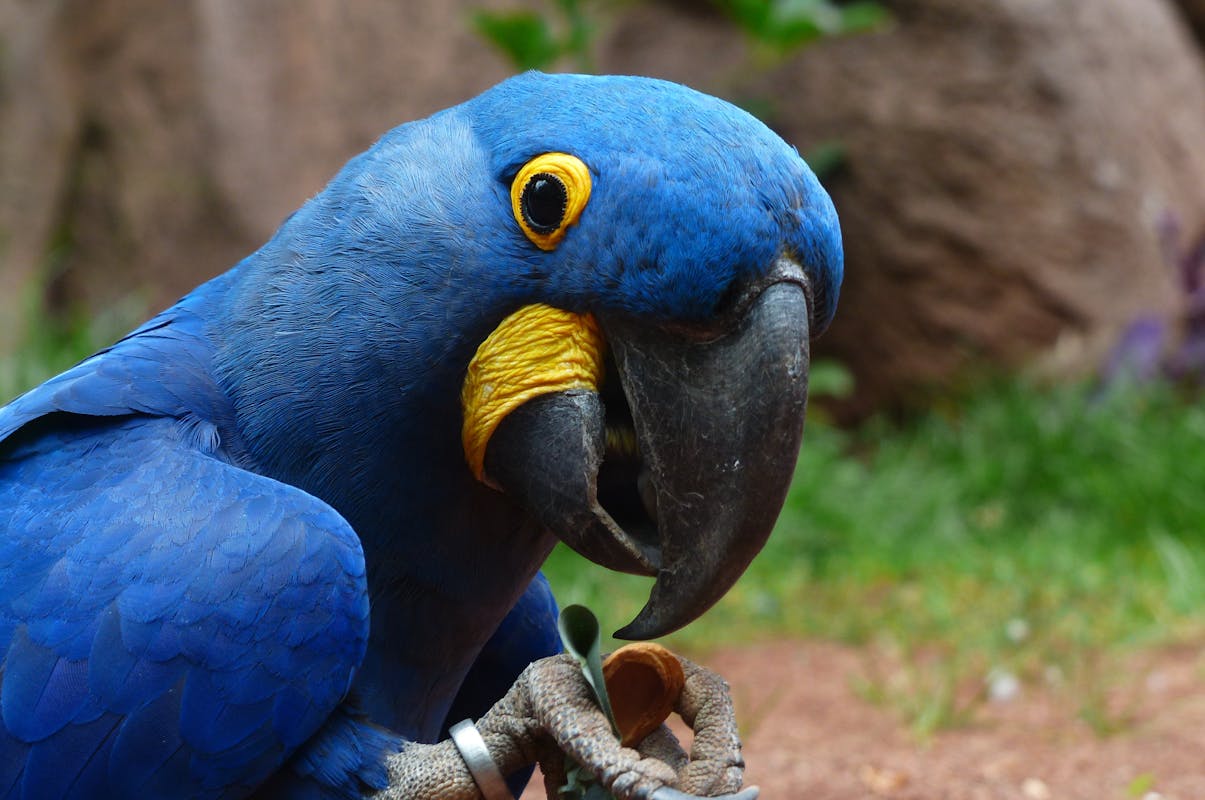
Are blue jay bird endangered Explained
Clever Consumers
Blue Jays are not picky eaters. They feed on:
-
Insects
-
Eggs and young birds
-
Frogs and fish
-
Small rodents
-
Nuts and seeds
They particularly enjoy acorns. Blue Jays store acorns in their throat pouches and hide them for winter food. They occasionally forget some, helping to re-seed forests.
Family Life of Jays
Blue Jays are typically monogamous and often stay together for life. They share the work of building a bulky nest. The male brings food to the female while she incubates the eggs. After hatching, the chicks stay with their parents throughout summer and autumn.
Conservation Concerns
Blue Jays thrive in human-modified environments. They remain abundant but still face threats such as:
-
Predation by cats
-
Pesticide poisoning
-
Collisions
To help address these threats, organizations like ABC have programs that encourage pet owners to keep cats indoors and provide solutions to prevent bird strikes.
Donate to help conserve Blue Jays and their habitats!