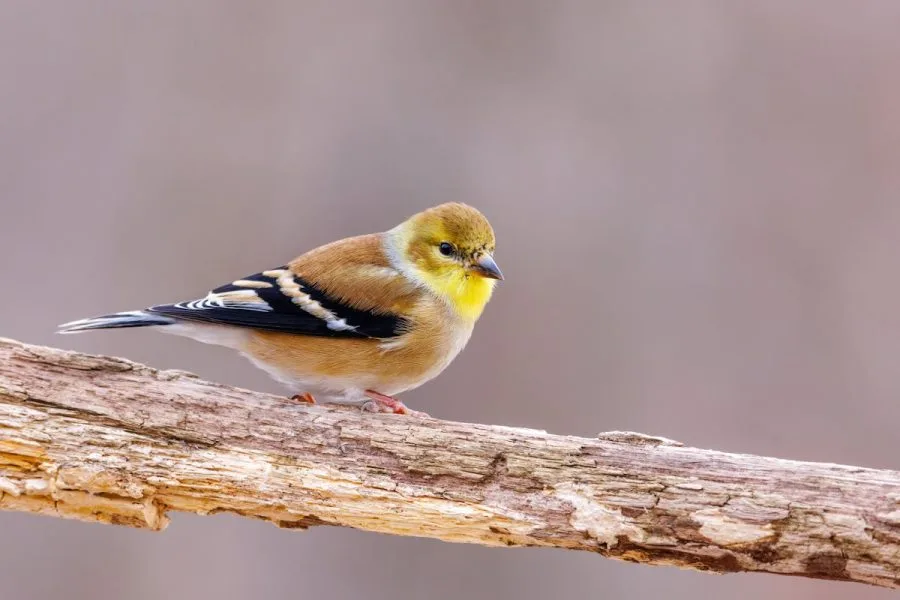

Yellow Warbler

Yellow Warbler
Oriolus chinensis, yellow warbler, yellow oriole, yellow bird, etc., Oriolus orioleidae.
The Yellow warbler is a small, vibrant, insectivorous songbird that primarily inhabits trees and shrubs in North America, particularly during breeding season. Of bright yellow feathers and starling songs you cannot talk about, colorful and lovely, they add life to the woods.
The most coveted thing about the oriole is its soft yellow plumage. The male bird’s plumage is golden and shiny, quite bright. In female birds, the feathers are yellowish-green and somewhat gray. Immature birds are similar to females, but they have more black plumage. Yellowbird male and female wings and tail are black, and there are two broad black lines on both sides of the head through the eyes to the pillow. The device of these blacks is so ingenious that they make the yellowbirds shine without being vulgar. Prefers places rich in vegetation, such as wetlands and at the edges of forests and shrubs, commonly near the leaves of trees and shrubs. They’re mostly high up in the canopies of tall trees and almost never come down to the ground, so they’re very clean.
Yellow warbler not only has an intrinsically stylish appearance but also is a natural crooner. Like other birds, the oriole’s vocal organ is also a sound tube, which is specialized by the tracheal wall at the junction of the trachea and bronchus. The Yellow Oriole is the name of a songbird, the same name that gives the name to the Thrush, the Eight Brothers, and the lark-bird. The muscles surrounding the vocal canal are highly developed. The nervous system masterfully regulates the vocal muscles to produce the sound of the Yellow Oriole, as clear and graceful as running water. The individual call behavior of the oriole has very similar development characteristics to the language learning process of the human individual. The role of call is also identical to the role of the human language system, which is helpful in communication and connection with others. The difference is that all the differences in oriole call type are easily observable by gender and change seasonally. The call of the morning oriole is the most frequent. The male and female orioles voice to each other and convey information through narration or song, and the small oriole asks the parent bird for eatable things through narration. During the breeding season, the male oriole is extremely active as it performs courting display when the gonads develop under sex hormone stimulation, whispering all day, and the sound has great elasticity and magnetism.
It may be a tall order for the yellow warbler to entice them to the backyard straight away. However, the chance of a visit can be magnified by the right setting:
Providing habitat:
Plant native trees and shrubs: Choose appropriate native plants, such as willows, birches, and other native shrubs, that would offer the habitat needed for the yellow warbler.
Plant clumps of vegetation: Yellow warblers prefer bushy places to support their nests, so planting bunches of vegetation can help.
Set water sources:
Waterscape: This little yellow warbler is seeking drinking water and a place to bathe. To attract it, set up a small waterscape, like a pool or fountain.
Fewer chem products:
Natural Horticulture: Don’t use pesticides or fertilizers to keep the insect food source on which the yellow warbler relies safe.
Observation and recording:
The second way is to create an observation area and comfortable observation point. This way, you can get close to the yellow warblers, record the warbler dynamics, and make bird watching more fun.
Doing so will make your backyard more welcoming to warblers, increase their likelihood of visiting, and ultimately allow you to enjoy the beauty of this songbird.
Pine Warbler
Mろりな→ピナス Mんラ、デンスク→エコス I→ワー Lim-ペシルス はジェノ 枠とぅうり→たん Bの鶏 E第6 is a genus of the pea family. It is found in North and Central America. It is primarily found in pine forests, so named for its reliance on pines.
Pine Warbler
Male pine warblers commonly have bright yellow feathers, particularly in the chest and abdomen, while the back and wings are olive green or grayish brown. It is all quite a striking effect. A female pine warbler is duller, with some yellow on its head and throat. But compared to male birds, the color of female birds is darker, usually a darker yellow and brown tone, so that they can take root in the surrounding environment.
Pine warblers are primarily found in pine forests, mixed forests, and other coniferous forests and prefer open forested areas. They are common in eastern North America, where they inhabit breeding grounds in summer, then winter in southern states and parts of the Caribbean. Pine warblers mostly eat insects, but they are the only warblers that regularly eat seeds. Pine warblers have a strong attraction to bird feeders, especially when they are stocking food for the winter (cats love sunflower seeds and peanuts).
The chorus of the pine warbler is clear and pleasant, and it often rings among the branches. During its breeding season, the male bird will attract the female bird and print the territory through its song. They tend to be active in the canopy and adept at jumping and climbing through pine trees in search of food. You can visit a pine forest or a coniferous forest in the spring and the summer in the breeding season when looking for pine warblers. Pine warblers are most easy to hear as their calls and see their early morning and evening are best, they are very active around this time.
There are a lot of great things to say about a pine warbler. It is such a colorful bird that I love not just for its bright colors but also for how it eats and lives. Knowing more about the nature and behavior of pine warblers might make it easier for bird watchers to appreciate and recognize this lovely bird.
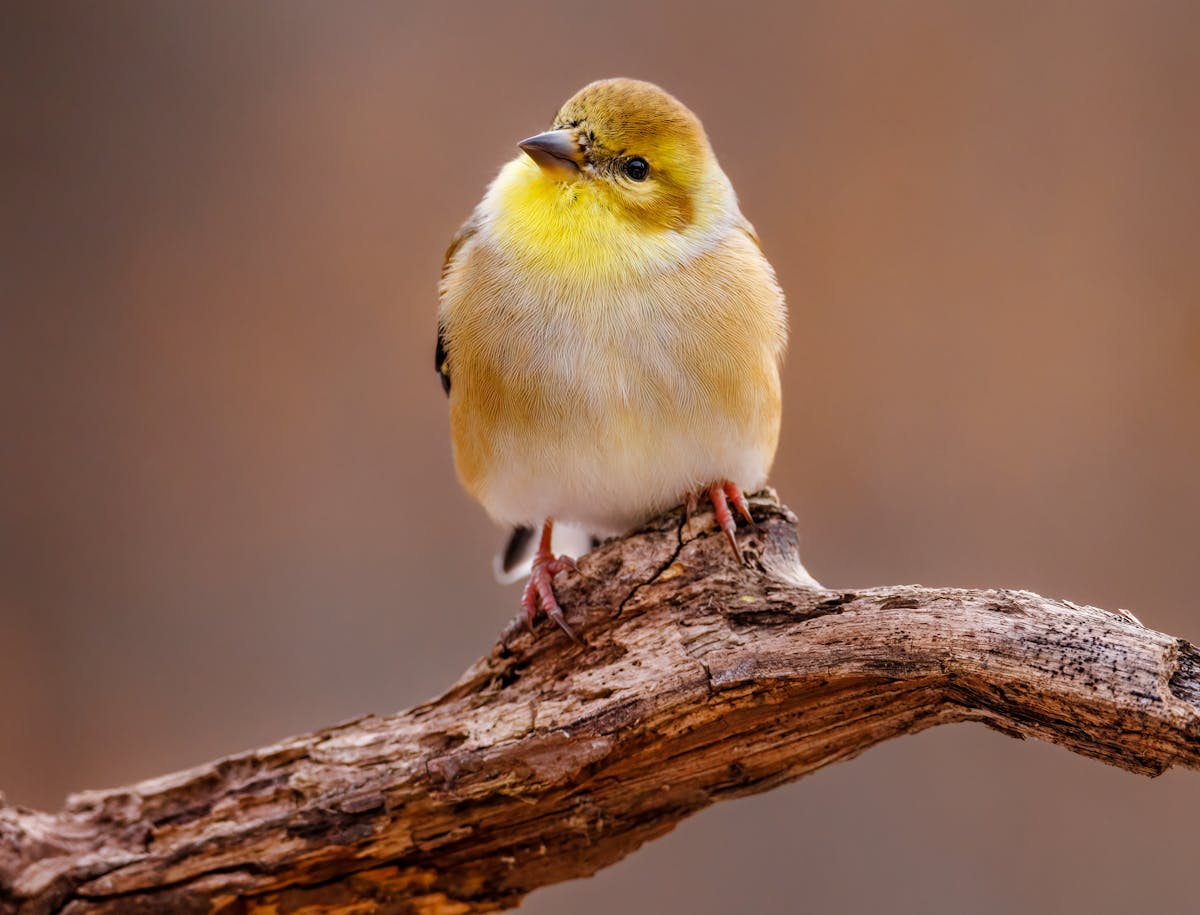
American Goldfinch
American Goldfinch
American Goldfinch, Spinus tristis, is among the most popular songbirds, bright yellow and known for its moving songs. They are found in abundance across the United States, from the East Coast to the West Coast. In the spring, the bird migrates north into Canada; in the winter, it migrates south to Mexico, Florida, and the Pacific coast. In breeding season, males sport bright yellow feathers with black wings and hats. The females are drab and brownish-yellow on the whole.
North American goldfinches mainly eat seeds, especially Niger seeds, though they also consume other types of seeds and plant buds. Typically enjoy group activities, frequent parks, gardens, and open grassland.
Ever wanted to draw in the American goldfinchs in your backyard or garden?
Feeding: When feeding Nigel, press the appropriate button on a special bird feeder to drop seeds. They can also be attracted to other seeds, like sunflower seeds.
Plant native plants:
Plant Echinacea and Calendula (among others) attract insects as a natural food source.
Create a safe environment:
And maintain the environment around them as natural as possible with sheltered shrubs and trees to deter predators from the birds.
Water supply:
You can set up a water bath or a water fountain to keep the water clean and fresh, as well as attract birds to visit.
In this article, we will learn about the North American goldfinch, with its challenging character and striking beauty that offer endless enjoyment to bird-watching enthusiasts. These steps allow you to maintain proximity to them in your home.

MD Imdadul Haque is the founder of BirdzFly, a research-backed resource on North American backyard birds. Drawing on years of independent study into bird identification, behavior, and migration patterns, he writes in-depth guides designed to help US birders understand the species in their own backyards — from common feeder visitors to seasonal migrants passing through.